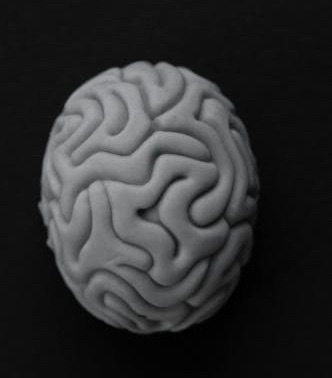
In the vast landscape of the human brain, one structure often overlooked for its significance is the cerebellum. While it may be smaller in size compared to other brain regions, the cerebellum plays a crucial role in various functions, from movement coordination to cognitive processing. Moreover, recent research has shed light on its remarkable capacity to adapt and change, highlighting the importance of neuroplasticity in enhancing brain function. In this blog post, we delve into the intricate world of the cerebellum and explore how neuroplasticity holds the key to unlocking its full potential.
The Cerebellum: More Than Just Coordination
Traditionally associated with motor control and coordination, the cerebellum is often referred to as the “little brain.” However, its role extends far beyond simple movement. Situated at the back of the brain, beneath the cerebral cortex, the cerebellum contains an intricate network of neurons that communicate with various brain regions. It is involved in fine-tuning movements, maintaining balance and posture, and even influencing cognitive processes such as attention, language, and emotion regulation.
Neuroplasticity: The Brain’s Adaptive Mechanism
Neuroplasticity, or the brain’s ability to reorganize and adapt in response to experience, plays a crucial role in shaping the cerebellum’s function. This remarkable phenomenon allows the brain to form new connections, strengthen existing ones, and even reassign tasks to different regions in response to changes in the environment or behavior. In the case of the cerebellum, neuroplasticity enables individuals to refine motor skills, learn new movements, and adapt to challenges such as injury or disease.
Strengthening the Brain Through Neuroplasticity
Research has shown that engaging in activities that challenge the cerebellum can enhance its function and promote neuroplasticity. Activities such as playing musical instruments, learning new sports, practicing yoga, and even certain video games can stimulate cerebellar activity and promote the formation of new neural connections. Moreover, interventions such as physical therapy and cognitive training targeted at the cerebellum have shown promising results in improving motor function, balance, and cognitive abilities in individuals with neurological conditions.
Harnessing Neuroplasticity for Optimal Brain Health
The implications of neuroplasticity extend beyond the realm of rehabilitation. By understanding the principles of neuroplasticity, individuals can take proactive steps to optimize brain health and function throughout their lives. Engaging in regular physical exercise, adopting a healthy diet rich in nutrients that support brain health, practicing mindfulness and meditation, and challenging the brain with new experiences and learning opportunities are just a few ways to promote neuroplasticity and support the cerebellum’s vital role in overall brain function.
Conclusion
In conclusion, the cerebellum stands as a testament to the brain’s incredible adaptability and resilience. By harnessing the power of neuroplasticity, we can unlock the full potential of this remarkable structure and enhance our brain’s capacity for movement, cognition, and overall well-being. Whether through physical activity, cognitive training, or lifestyle interventions, nurturing neuroplasticity offers a pathway to lifelong brain health and vitality. So let us embrace the journey of discovery and growth, as we unlock the secrets of the cerebellum and strengthen the brain through the power of neuroplasticity.
 Dr Adrian Thane
Leave a comment